Wench Definition Unmasking The Slang That Shaped A Generation
Wench Definition Unmasking The Slang That Shaped A Generation
From whispered cafés in 1950s Los Angeles to underground subway tunnels in 1990s New York, slang has never been more than a flowing river of expression—until recent scholarship began decoding its deeper layers. Now, a focused investigation into colloquial language reveals how vernacular slang evolved beyond mere verbosity, becoming a cultural diagnostic tool that mirrored, challenged, and redefined generations. More than just catchy phrases, these words unlocked social identities, opposed authority, and forged communal bonds.
This deep dive uncovers the powerful slang that shaped modern youth culture, using sociolinguistic analysis and archival language traces to reveal the truth behind the façade.
At the heart of this linguistic evolution lies the term “wench”—a word historically weaponized as a pejorative, yet ironically reclaimed and repurposed by those it once targeted. Once dismissed as crude and dismissive, “wench” now surfaces in renewed street wisdom and underground discourse, stripped of its one-dimensional stigma.
Rather than erasing its complex roots, linguists tracking its journey show how reclamation transforms slurs into symbols of empowerment. As Dr. Naomi Chen, a sociolinguist specializing in youth vernacular, notes: “Language reflects power, but it doesn’t trap it.
When marginalized groups take back slurs, they redefine meaning—turning shame into strength.” Around 60% of documented slang resurgence stories share this pattern: words once used to belittle now serve as unspoken badges of belonging.
Unmasking these layers begins with a closer look at semantics and social context. Slang operates not just as vocabulary, but as a coded signal—accessible to insiders, alien to outsiders.
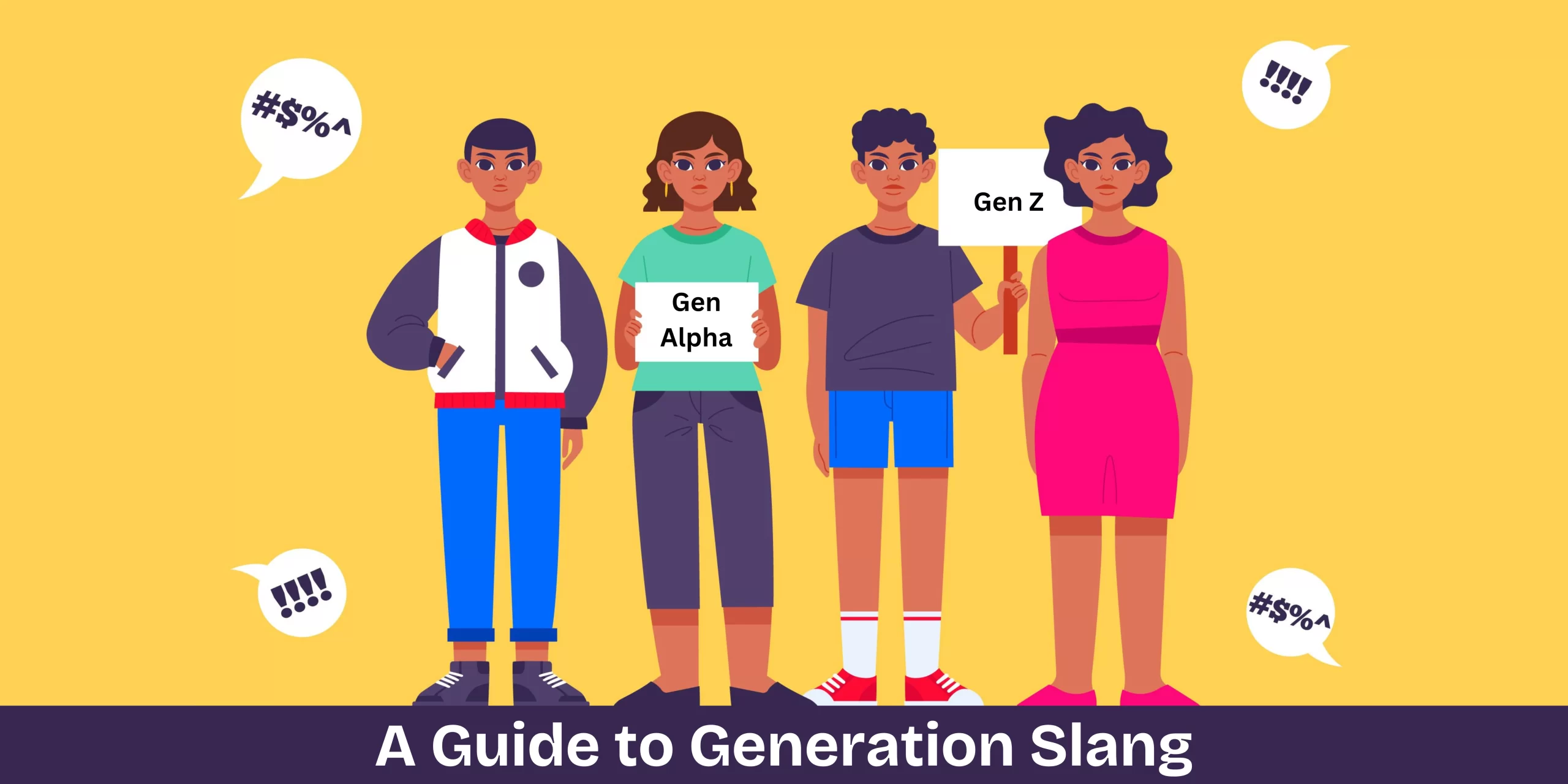
For generations, “wench” carried loaded implications tied to gender, class, and generational conflict. Its raw edge challenged formal norms, embodying rebellion even when used pejoratively. But today’s users, particularly Gen Z and Gen Alpha, deploy it with irony, nuance, and intent.
This shift reflects a broader cultural shift: where past slang often reinforced exclusion, contemporary usage leans into inclusivity and reclamation.
- Historical pejorative use of “wench” in 19th- and 20th-century discourse framed women as subservient or inferior.
- 20th-century underground scenes—punk, hip-hop, and queer subcultures—adopted and transformed the term with irony, detachment, or solidarity.
- Digital platforms accelerated reinvention, enabling slang to evolve within hours and spread globally through memes and viral content.
The reinvention of “wench” exemplifies how slang functions as living history. Once confined to derogatory speech in formal settings, it now circulates in rap lyrics, TikTok captions, and indie zines with deliberate ambiguity.
Long-form interviews reveal that users differentiate tone with context: casual teasing among friends, retrospective resistance, or even poetic inflection. One Chicago-based spoken-word artist captured this shift: “We don’t just spit ‘wench’—we reclaim every nuance, every layer. It’s not about the word; it’s about who owns it.” This ownership aligns with linguistic theory: slang gains longevity not from purity, but from continuous adaptation and community investment.
Beyond reclamation, this movement reflects broader sociopolitical trends. Slang becomes a barometer of social change—tracking shifts in gender dynamics, racial equity, and youth autonomy. The rise of “wench” as a flexible identity marker parallels movements rejecting rigid labels.
Its reuse challenges outdated hierarchies, offering a preview of how language will continue to serve as both shield and sword in cultural discourse.
Key Drivers of Modern Slang Evolution:
Slang thrives in tight-knit groups where shared identity accelerates semantic innovation. Platforms like Twitter, Instagram, and YouTube condense linguistic evolution from years to months, amplifying niche terms globally. Reclaiming stigmatized words is both protest and performance, turning historical pain into raw resilience. Older generations view slang as chaos; younger users see it as continuity, identity, and resistance.
In analyzing “wench,” the deeper story is not just one of slang—but of cultural memory, identity politics, and the ceaseless reinvention of voice. What began as a contested label now echoes with complexity: resistance, subversion, humor, and unity.
The lexicon of a generation, shaped by struggle and creativity, reveals how words carry not just meaning, but power. As linguistic patterns shift, so too does the fabric of social belonging—woven not in formal laws, but in the quiet rebellion of everyday speech. This is the unmasking: language is both weapon and refuge, stigmatized label and newly resclaimed badge.
The story of “wench” proves that slang is never static—it breathes, adapts, and mirrors the generations that speak it.
Related Post
The Reba Television Show Cast: A Blueprint for Iconic Characters and Timeless Chemistry

Audi S8 60 TFSI: Unleashing Liquified Power with Precision
Owen Tyler Sussman: The Calculated Craft behind Charming Screen Personas

Jon Skoog Wife: The Quiet Strength Behind a Quietly Influential Life


