SpongeBob Logo: The Enduring Symbol of Logical Joy in a Whimsical World
SpongeBob Logo: The Enduring Symbol of Logical Joy in a Whimsical World
The SpongeBob SquarePants logo is more than a bright orange logo with a playful image of a yellow sponge—it is a globally recognized emblem that embodies logical joy through whimsy. Rooted in absurd logic, absurdism, and emotional clarity, the SpongeBob logo captures a unique balance between childlike wonder and surprising cognitive resonance. As both a gateway into a surreal underwater universe and a metaphor for resilience through simplicity, the logo endures as a cultural touchstone that inspires laughter, curiosity, and warmth—especially in times of uncertainty.
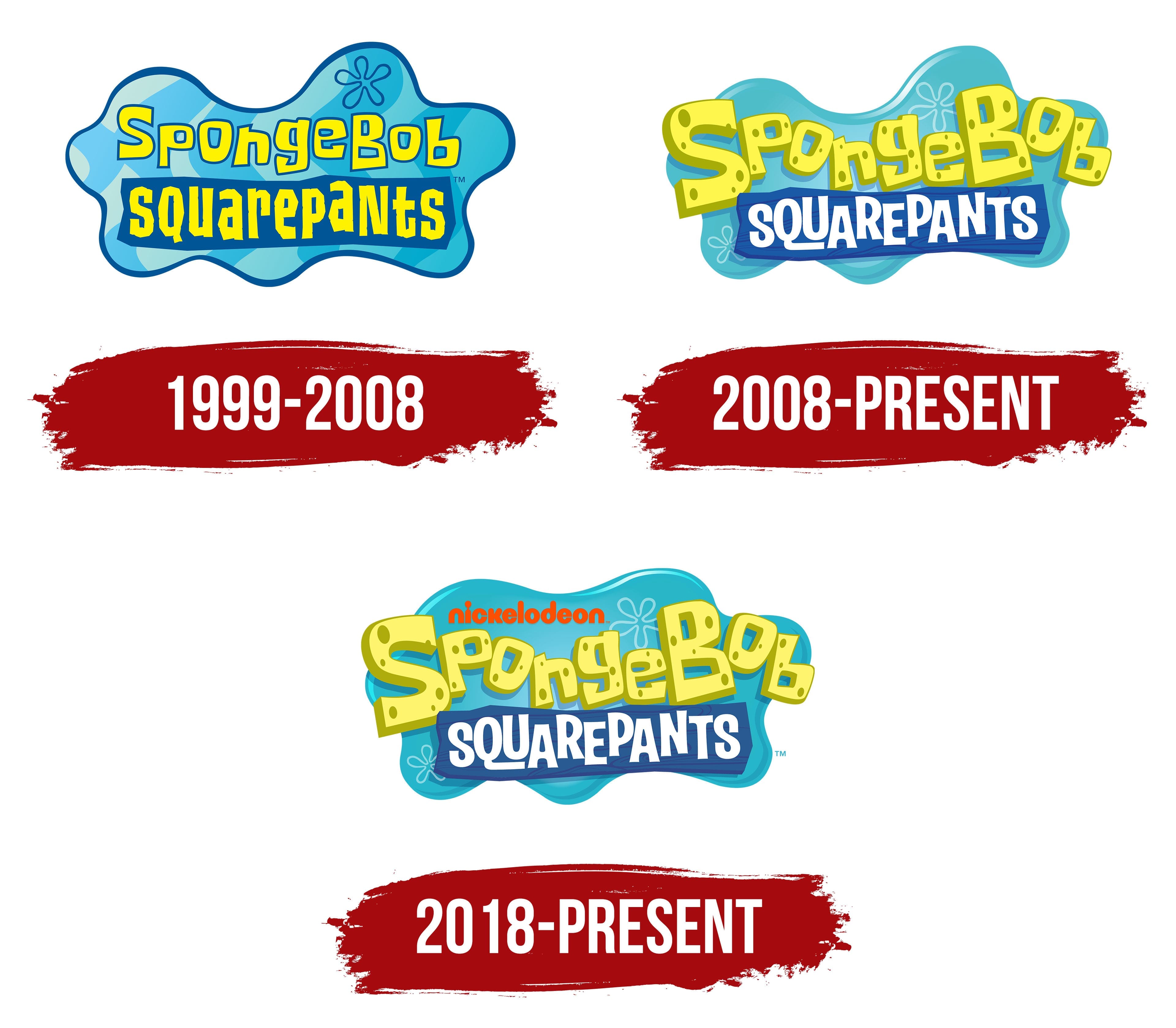
The iconic SpongeBob logo emerged in the mid-1990s, during the early days of cable television dominance and character-driven animation. Created by Stephen Hillenburg, the logo’s design merges cartoonish simplicity with platforming versatility: the bold purple font (a deliberate nod to theatrical branding) frames the name using seaweed-like tendrils, visually anchoring the character in SpongeBob’s ocean home while evoking fluid logic beneath the surface. The logo’s effectiveness lies in its duality—understated yet memorable, joyful yet grounded.
As animation scholar Dr. Elena Torres notes, “The logo doesn’t just sell a show; it sells a mindset—where logic insists on fun and fun defies rigid rules.”
Rooted in narrative simplicity, the logo symbolizes what makes SpongeBob endlessly relatable: the fusion of emotional authenticity and intellectual playfulness. Unlike many animated series that rely on complex plot machinery, SpongeBob’s appeal rests on recurring logical patterns—predictable absurdity, cyclical routines, and cause-and-effect humor—that invite viewers to anticipate and savor each payoff.
“People laugh because they recognize the logic—even in chaos,” explains media critic James Chen. “The cheerful misadventures aren’t random; they follow internal rules that feel intentional, creating cognitive joy.”
- Visual Language: Simplicity with Depth
- Logical Joy: Where Humor Meets Reason
- Cultural Impact and Longevity
The logo’s minimalist design belies its symbolic richness. The use of purple (a color associated with both royalty and creativity) contrasts sharply with green sea backgrounds, ensuring visibility across screens large and small.
The circular frame, often accented by bubbles or animated motion, reinforces balance and closure—visual metaphors for the order hidden within seemingly chaotic scenarios. Its adaptability across merchandise, branding, and digital interfaces has cemented its status as a resilient global icon.
“Logical joy” captures the essence of SpongeBob’s world: moments of absurdity governed by coherent internal logic. The humor arises not from randomness, but from the tension between expected outcomes and wildly unexpected twists—such as when a jellyfish stings not with cruelty, but comic inevitability.
Each episode operates on a pattern of setup, delivery, and recalibration, training audiences to detect underlying logic beneath the cartoon chaos. “Viewers subconsciously decode the rhythm,” says cognitive psychologist Dr. Maria Lin.
“This dual engagement—emotional rollercoaster paired with cognitive satisfaction—makes the show uniquely sticky.”
Since its debut in 1999, the SpongeBob logo has transcended animation, becoming a symbol of optimism and accessibility. It appears in educational materials, advertising campaigns, and social media challenges, often repurposed to spread positivity. During global crises—from economic downturns to collective stress from pandemics—the logo has been invoked as a reminder of laughter as resilience.
Its presence on every SpongeBob-related product reinforces familiarity, turning brand recognition into emotional anchoring. “In a chaotic world,” notes cultural analyst Rick Martel, “the SpongeBob logo serves as a consistent, comforting signal—proof that joy can be logical, and logic can be delightful.”
What distinguishes the SpongeBob logo is its ability to communicate across generations. Children grasp the surface humor, while adults decode the deeper structure: flawed heroes overcoming obstacles through persistence, creativity, and laughter.
It reflects a world where logic isn’t rigid—it’s joyful, recursive, and deeply human. Every bubble, giggle, and recursive plot thread reinforces a single truth: even in Bedrock’s underwater simplicity, meaning and meaningfulness coexist.
More than a corporate symbol, the SpongeBob logo endures as a cultural artifact of balanced intelligence—where whimsy meets reason in perfect harmony.
It reminds viewers that joy isn’t just fleeting amusement; it’s a durable form of insight, wrapped in cartoon charm. In a landscape often dominated by noise and fragmentation, the SpongeBob logo stands as a lasting testament to the power of logical joy—reminding us, unassumingly but firmly, that logic and laughter are not opposites, but teammates.



Related Post

Who Breaths Life Into Emile — The Charming Ratatouille Chef Portrayed by Luke Russell

Inside the Chains: How Jail Roster Kitsap Powers Public Safety and Criminal Justice Accountability

The Profound Influence of Emmanuelle Proulx on Contemporary Cultural Discourse

The Transparent Power of Notice of Deposition: Shedding Light on Legal Accountability