Noodle Mag Your Ultimate Guide to the World of Noodles: From Ancient Origins to Global Obsession
Noodle Mag Your Ultimate Guide to the World of Noodles: From Ancient Origins to Global Obsession
Noodles are far more than a simple staple—they are a global culinary phenomenon woven through centuries of culture, trade, and innovation. From humble beginnings along the banks of ancient rivers to becoming a symbol of sustenance and identity across continents, noodles have evolved into a culinary art form Zweig & Associates describes as “a journey etched in flour, water, and time.” This deep dive explores the intricate tapestry of noodles—from their mythical origins in early civilizations to their current status as a ubiquitous, obsessive favorite across modern kitchens and street stalls.
Rooted in antiquity, one of the earliest documented evidence of noodle-like dough dates back over 4,000 years to China, where archaeological findings suggest fermented grain-based strands were consumed as early as 3000 BCE.
Chinese culinary texts reference the “mian” or dried strands, precursors to what we now recognize as traditional noodles. Yet, traces of similar pasta forms appear independently in ancient Rome and the Middle East, with eager food historians debating whether the Silk Road accelerated their spread—or if independent discovery was at play.
The Pivotal Role of Noodles in Asian Culinary Heritage
In Asia, noodles are a cornerstone of daily life and ceremonial tradition. Japan’s artisanal ramen, with its precise balance of broth and hand-pulled wheat strands, traces lineage to Chinese hand-pulled noodles but evolved uniquely through regional dialects and seasonal ingredients.
Korean naengmyeon, served chilled in summer, exemplifies how climate shaped noodle adaptation—thick buckwheat dough cooling palates in sweltering heat.
Across China, each region boasts signature noodle styles reflecting geography and culture. Sichuan’s spicy, hand-pulled chow mein contrasts with Seoul’s delicate ramien, while Lhasa’s y hotel—a tea noodle soup—embodies Tibetan culinary philosophy.
Noodles in these traditions are not mere sustenance but expressions of heritage, patience, and precision. As food scholar validates, “Noodles speak the language of place. Their texture, thickness, and flavor tell stories of soil, water, and generations.”
Noodles Cross the Ocean: A Global gastronomic Migration
The global obsession with noodles gained momentum with migration and colonial exchanges.
Italian immigrants brought spaghetti to the Americas in the 19th century, transforming it from an exotic foreign food into an American icon. Similarly, Chinese communities introduced versatile wheat noodles across Southeast Asia, merging with local flavors to create dishes like Vietnamese miến and Indonesian mie goreng.
Fast-forward to the 20th century, mass production revolutionized noodle access.
Industrial extrusion allowed for affordable, shelf-stable noodles, fueling their presence in fast food, instant ramen, and fusion cuisine. “Noodles are uniquely adaptable,” notes culinary anthropologist Elena Torres. “Their neutral base absorbs almost any sauce, spice, or preparation method—making them chefs’ ideal canvas.”
Crafting the Perfect Noodle: From Ingredients to Technique
Creating exceptional noodles requires more than flour and water—it demands mastery of fundamentals.
The classic “Four Treasures” of quality dough include: - **High-quality wheat flour**, ideally from durum or hard wheat, yielding elasticity and resilience. - **Water** precisely measured—its mineral content and temperature influence gluten development. - **Salt**, not merely for flavor but to strengthen dough structure.
- **Eggs**, essential in many Asian varieties for texture and richness, balancing absorbent wheat with creamy structure (as seen in Michelin-starred tonkotsu ramen).
Once mixed, kneading time varies—Roman spaghetti needs thorough gluten development, while Korean japchae vaginal noodles use gentle rolling for translucence. Hand-pulling remains a revered technique, enhancing elasticity and creating millions of air pockets that crisp beautifully when cooked.
Noodle Varieties Across Continents: From Udon to Mon Men
Global noodle diversity defies a single definition. Each culture cultivates signature forms with distinct textures and uses: - **Japanese noodles**: Ramen (thick, chewiest; often broiled sesame or soy), soba (buckwheat, nutty, served cold or hot), and udon (thick, soft, ideal for hearty soups). - **Chinese varieties**: Wonton noodles (thin, delicate), hapoo (vermicelli, vibrant red from sweet potato starch), and lo myee (wide, crisp if stir-fried).
- **Korean staples**: Ram Sadang (noodle salad; rice flour with veggies), naengmyeon (cold buckwheat, peppered with lemongrass), and kwangmyeong (stretched filament noodles, served in light broth). - **Southeast Asian favorites**: Thai flame noodles (jay uam; stir-fried with chili and spices), Indonesian mie titik (thread-like, paired with shrimp broth), and Filipino ube ubinang (purple yam-stuffed cellophane noodles).
Instant ramen, pioneered by Momofuku Ando in 1958, transformed noodles into a global emergency food and cultural touchstone—proof that simplicity, when perfected, resonates universally.
The Science and Soul Behind Noodle Mastery
Beyond culture, noodles are a subject of culinary science. The swirling “kneadingfigure eight” motion develops gluten networks, creating elastic, non-sticky pasta—an alchemical process giving birth to texture. Water temperature affects starch gelatinization: too hot, and gluten breaks; too cool, and dough becomes stiff.
“Temperature is the silent chef,” explains food scientist Dr. Li Wei. “Every 1°C shift alters water activity, directly impacting dough elasticity and final noodle texture.
In ramen, boiling for 3–4 minutes strikes the perfect equilibrium—chew without mush.”
Moreover, fermentation enriches flavor. Kimchi-infused noodles or lactic acid-fermented dough introduce subtle tanginess, echoing Korean creativity. Spices like Sichuan pepper or lemongrass transform plain strands into symphonies of aroma and bite.
Modern Innovation and Noodle Cultural Identity
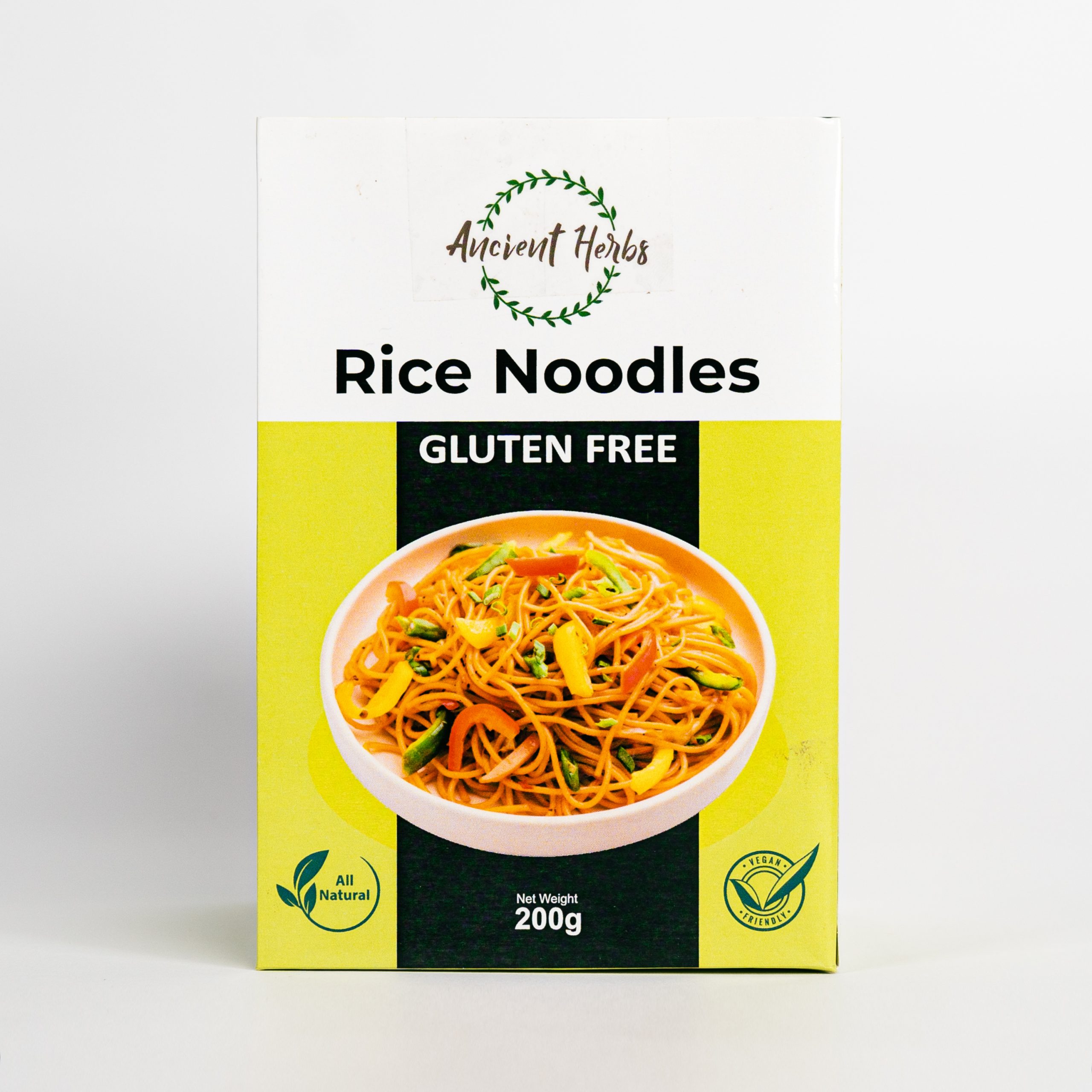
Today, noodles continue evolving—melding tradition with innovation. Gourmet ranges feature ancient grains like spelt and kamut, or gluten-free alternatives using chickpea, mung bean, and rice flour. Plant-based “noodles” mimic traditional textures using pea protein and algae extracts, appealing to dietary shifts without sacrificing authenticity.
Street food and restaurant cultures fuel this renaissance. Tokyo’s ramen chains blend authenticity with speed, serving umami-rich tonkotsu under 60-second service windows. Rome’s trattorias preserve handmade spaghetti routines amid rising turism.
Social media amplifies discovery—virally trending vegan ramen bowls and instant noodle hacks spread across platforms, reinforcing noodles’ role as shared cultural currency.
Yet, amid modernization, preserving culinary integrity remains vital. Organizations like UNESCO’s Intangible Cultural Heritage list highlight noodle-making practices—from Kyoto’s yakitori noodle stalls to Sicily’s hand-rolled pasta—as essential to cultural memory.
Noodles: More Than Food, A Thread Connecting Humanity
Noodles are a culinary universality—each strand bound by history, shaped by geography, and loved across borders. From Hebei’s rural kitchens to New York’s food trucks, from ancient Silk Road caravans to Instagram feeds celebrating “sheer perfection,” noodles embody resilience, adaptability, and human connection.
This enduring fascination reflects more than taste—it’s about stories written in dough.
As noodles traverse time and continents, they carry whispers from ancestors, innovations from chefs, and passion from supply chains worldwide. In every slurp, slurp, and sizzle lies a journey: ancient origins meet modern obsession, one noodle at a time.
Noodles are not just food—they are culture moving, layer by layer, from past to present and across every corner of the globe.



Related Post

iOS, YouTube, News, And Music: Your Ultimate Guide to Digital Mastery in the Modern Age

Dallas Mavericks vs. Pacers: A Clash of Titans W-leveled in Match-by-Match Player Stats

Ainsley Earhardt’s Engagement Ring: Unveiling The Mystery Behind the Diamond Trace

Who Are Tyruss Children and How Many? Unveiling a Hidden Legacy


